Indian Government Bans Sugar based Ethanol Blending?
The Indian government has banned sugar based ethanol blending. What does this mean for you? Read to know more

Amidst the ever-growing prices of sugar in India, the Indian government has finally decided to take some action. According to the latest media reports, sugar-based ethanol blending has been barred from India’s latest ethanol tender for the 2026-27 supply year. The citing was reportedly issued on October 16th by Reuters, which states that the Indian government has strictly instructed all state-run oil OMCs (oil marketing companies) to ensure no sugar is diverted towards ethanol production for the said time period. Moreover, no bids are being invited for ethanol produced using sugarcane juice, sugar, or any form of substances containing sugar, like B-heavy molasses, the report adds.
Many oil firms had invited bids for almost 11 billion liters of ethanol for the financial year 2026-27. The said tender also allows bids for all sugar alternatives made with corn, broken rice, and surplus FCI rice. Although the incentives on all corn-based ethanol have now been reduced to Rs 2.79/liter from Rs 5.79/liter
More on the Tender…
The said tender has been introduced by major Indian oil companies like Indian Oil, Bharat Petroleum, and Hindustan Petroleum. “The Government of India has issued directions that sugar diversion for ethanol be reduced to zero for the ethanol supply year 2026-27,” the tender document said, according to the report.
The said companies are currently looking to procure around 11 billion liters of ethanol for the current supply year, which is due to begin in November 2026. All interested distillers can submit their bids for ethanol made from corn, broken rice, and surplus FCI (Food Corporation of India) rice. However, they will now be paid less, as the incentives have been reduced by Rs 3 per liter to Rs 2.79 per liter, dropping the procurement price from Rs 71.86 per liter to Rs 68.86 per liter, as per the report.
India, from being one of the top producers and exporters of sugar, is now struggling to maintain its own stocks, while sugar has been one of the top contributors to India's ethanol blending programme for many years. The nation also happens to be the top consumer of sugar and has been trying to increase local production while easing prices for many years.
According to reports published by Reuters in August 2026, limits on the use of sugarcane for ethanol were already being considered before the season starting in October 2026, due to weaker rains in Maharashtra and Karnataka.
And now, after the E20 mandate, in order to cut emissions, India has diverted a huge chunk of its existing sugar towards ethanol blending, which might lead to a big crisis and shortage in the near future.
Planning to buy your next car?
Get real-time quotes from verified authorized dealers without haggling.
Recommended Articles
View All →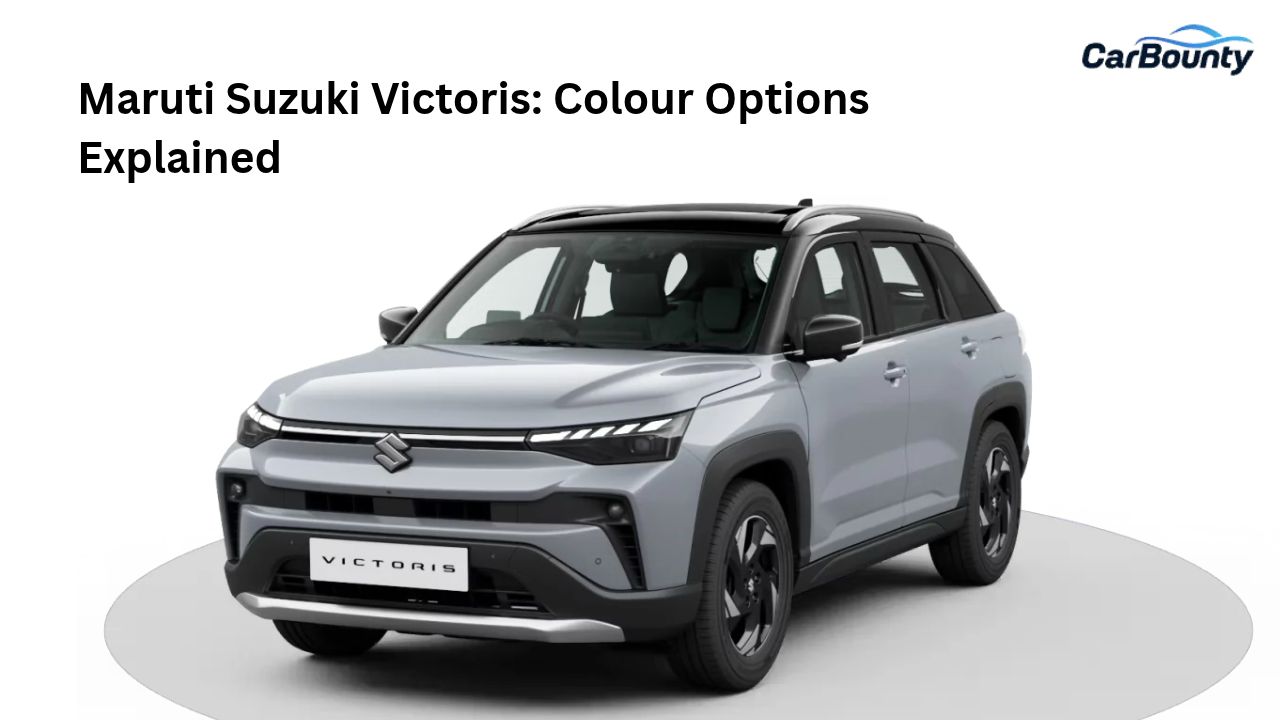 Car News
Maruti Suzuki Victoris: Colour Options Explained
The Maruti Suzuki Victoris offers seven monotone colours and three dual-tone options, including blue, red, green, silver, grey, white and black. Buyers can choose a shade based on their preferences and variant availability.
 Car News
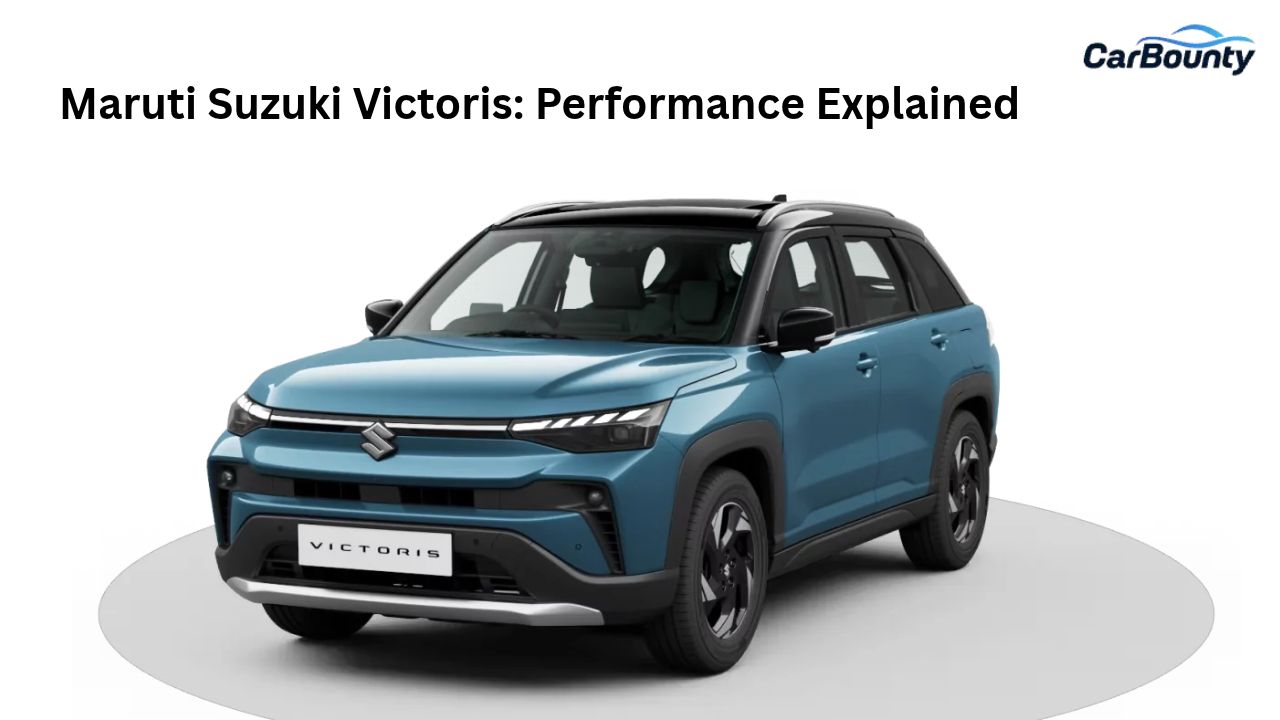
Maruti Suzuki Victoris: Performance Explained
The Maruti Suzuki Victoris offers petrol, strong-hybrid and CNG powertrain options, balancing performance, fuel efficiency and comfort. Its AllGrip Select 4WD system provides extra traction for challenging road conditions, making it a versatile SUV for city driving and highway journeys.
 Car News
Maruti Suzuki Brezza vs Mahindra XUV 3XO: Performance, Features and Price
The Maruti Suzuki Brezza vs Mahindra XUV 3XO comparison covers engine performance, petrol, CNG and diesel options, safety, comfort features, and ex-showroom prices to help buyers choose the right compact SUV for their budget and driving needs.