Tata Motors Punch: Performance Explained
The Tata Punch offers three engine options: naturally aspirated petrol, turbo-petrol and iCNG to suit different driving needs. With varied power outputs, transmission choices and mileage figures, buyers can choose a suitable option for city commuting, highway driving or lower running costs.
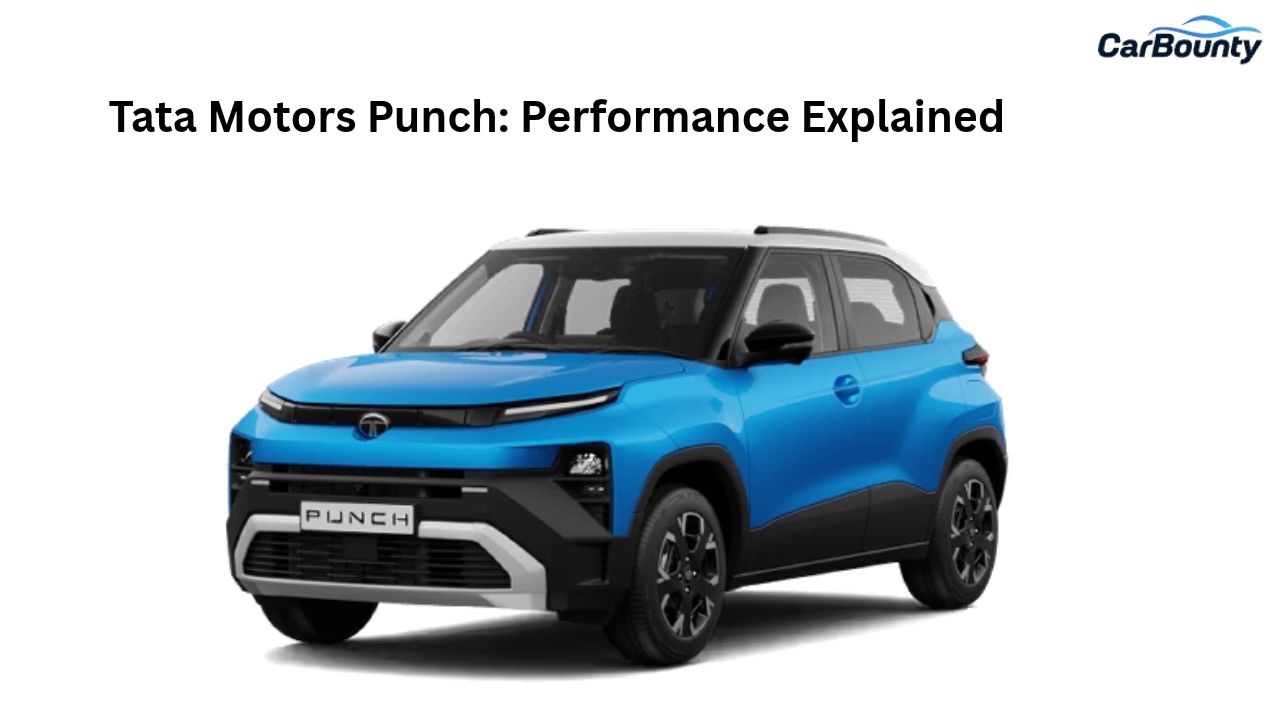
The Tata Punch is a compact SUV that will excel for everyday commuting, city driving and occasional highway adventures. There are three engine variants of the 2026 model Petrol, Turbopetrol and CNG. The power trains have different performance and convenience to fuel efficiency ratios.
Engine Options and Power Output
The Tata Punch is powered by three different types of engines that cater to different driving needs.
The 1.2-litre naturally aspirated Revtron petrol engine produces 88 PS of power and 115 Nm of torque. It comes in a selection of five-speed manual transmission or a five-speed automated manual transmission (AMT) option. This is a good engine for everyday driving and regular use, albeit with less of a punch than the turbo-petrol version.
The 1.2-litre turbo-petrol engine delivers a power of 120 PS and torque of 170 Nm. It's mated to a six-speed manual transmission. For those who prefer more responsive acceleration when overtaking or on the motorway, the turbocharger offers better performance.
The 1.2-litre iCNG engine delivers 73.4 PS of power and 103 Nm of torque when fueled with CNG. Available in a 5-speed manual or 5-speed AMT (as of the variant). The petrol version makes 88 PS and 115 Nm. The dual fuel option is ideal for the drivers who want to control fuel costs without sacrificing usability.
City Driving Performance
The naturally aspirated petrol engine is a practical option for city driving, for daily commuting and short distances. The Punch is compact enough for urban roads, and clutchless with the AMT.
The turbo-petrol engine delivers greater power and torque, for better acceleration. Drivers can choose their gears with the 6-speed manual transmission, which can be helpful at times when they want to be able to accelerate more quickly.
With the CNG version, the emphasis is on running costs rather than on overall performance. In CNG mode, its power output is reduced, making for less aggressive acceleration but that's still good enough for everyday driving. The AMT is also convenient for city driving, as it is available.
Highway Performance
The turbo-petrol Punch is the performance version of the car available on highways. It offers a higher level of overtaking and catching up capability with 120 PS of output and 170 Nm of torque. The preliminary instrumented test performed by Autocar India clocked the 0–100 km/h sprint in 11.56 seconds** on this variant.
The naturally aspirated petrol engine will be fine for driving on the highway, though the driver may have to shift the gears when overtaking or pulling out a load.
The CNG version is also capable of highway driving, although the CNG power output is lower and is ideal for relaxed driving, rather than rapid acceleration. For longer trips, drivers will need to check the availability of CNG stations.
Mileage and Fuel Efficiency
The fuel efficiency depends on the engine, transmission and driving conditions. ARAI certified data for Tata Punch is available to publish as follows:
Petrol variants: around 18.8-20.09 km/l (depending on the variant).
- CNG variants: up to 26.99 km/kg.
These are certified mileage estimates, not guaranteed to be true in real-world driving. The turbo-petrol engine is geared toward performance, and its fuel economy may vary based on driving habits and circumstances. Actual mileage does vary with traffic, road way, load and air-conditioning.
Final Verdict
The Tata Punch has different variants of power train for different driving needs. These two engines are good in their own ways, as the naturally aspirated petrol would be better for leisure driving, but the turbo petrol would be better for those that want better acceleration. CNG is worth considering for those drivers who drive in urban areas on a regular basis and are concerned about fuel costs.
Before deciding to pick a variant, they must understand their engine performance, transmission choices, fuel efficiency rating and the average driving conditions that apply to them to choose the most suitable variant that meets their needs.
Planning to buy your next car?
Get real-time quotes from verified authorized dealers without haggling.
Recommended Articles
View All →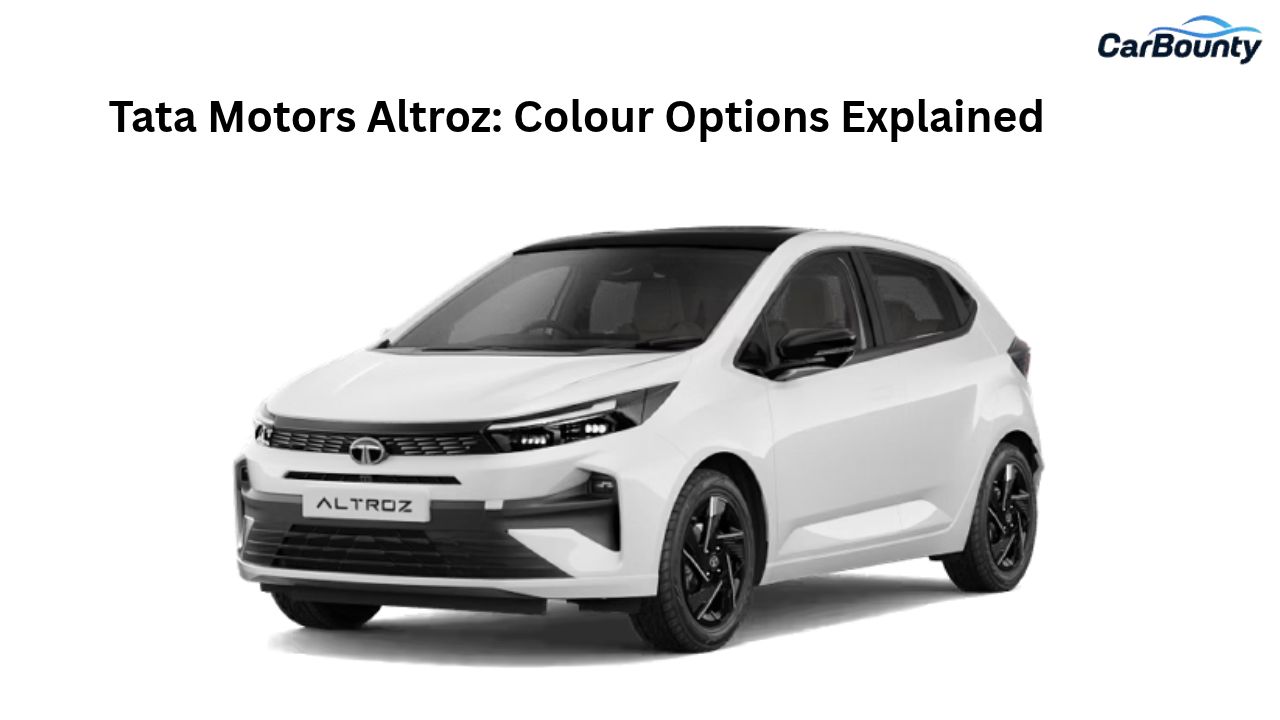 Car News
Tata Motors Altroz: Colour Options Explained
The Tata Altroz offers five exterior colour options: Dune Glow, Ember Glow, Pristine White, Pure Grey and Royal Blue. Each shade gives the premium hatchback a distinct appearance, allowing buyers to choose according to their style and preferences. Colour availability may vary by variant.
 Car News
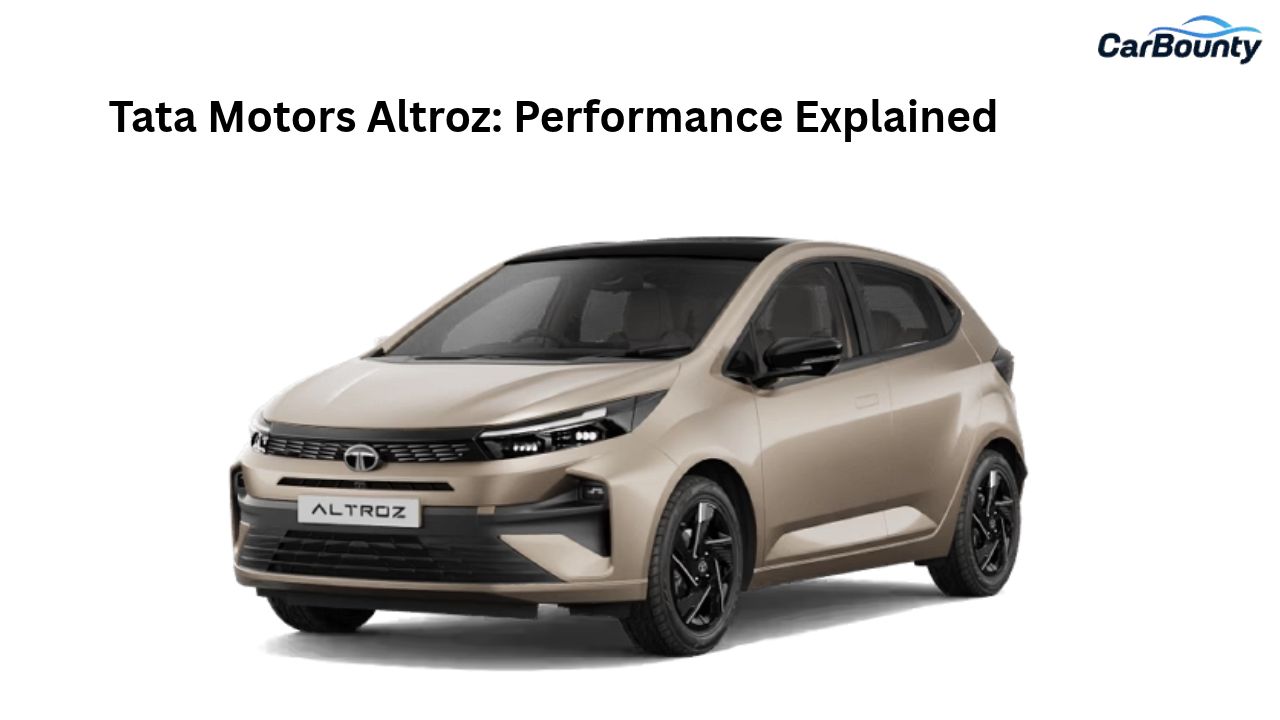
Tata Motors Altroz: Performance Explained
The Tata Altroz offers three powertrain options: petrol, diesel and iCNG to suit different driving needs. With varied power outputs, torque, transmission choices and mileage figures, buyers can choose the right option for daily commuting, highway driving or lower running costs.
 Car News
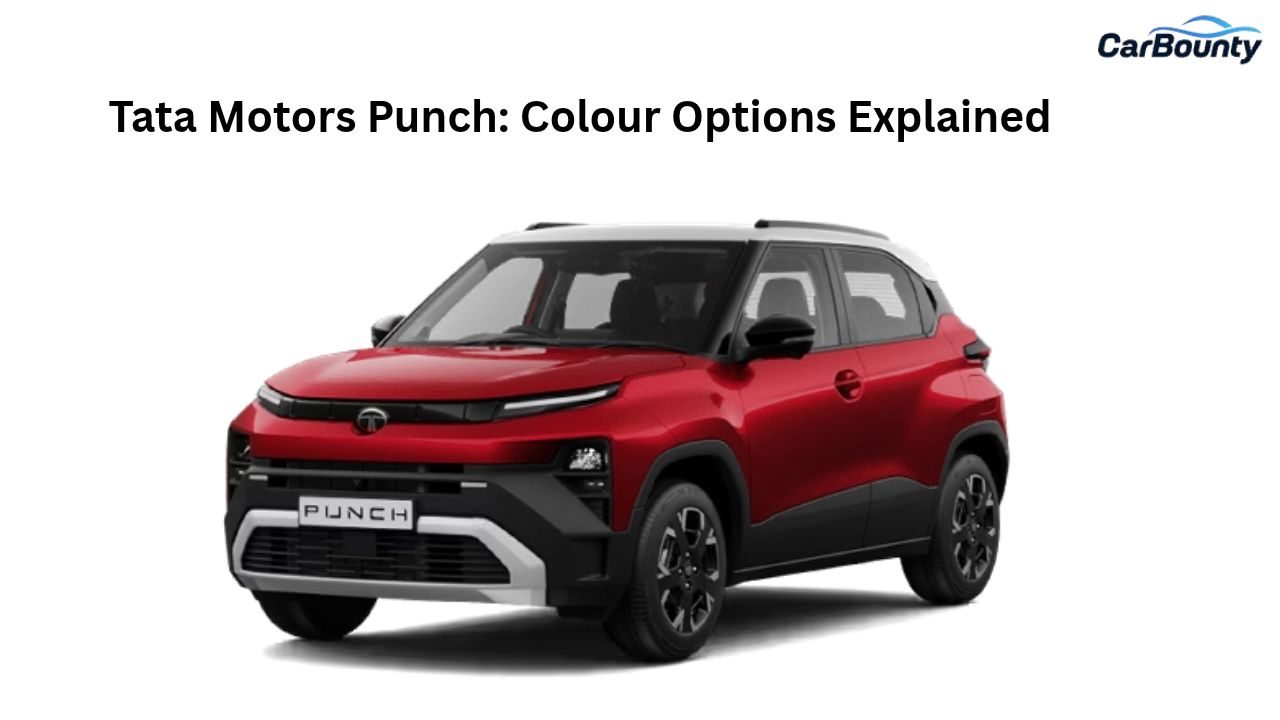
Tata Motors Punch: Colour Options Explained
The Tata Punch offers six exterior colour options: Pristine White, Daytona Grey, Bengal Rouge, Coorg Clouds, Caramel and Cyantafic. Selected variants also feature contrasting black or white roof dual-tone combinations, giving buyers more styling choices to match their preferences.